






What Is the Cheapest Way to Heat Your Home in Ireland?
Summer 2025 was pretty pleasant weather-wise. We had a few weeks of blistering heat and although that didn’t last, overall it was seemingly the warmest Summer on record. Once September arrived, things drastically changed. Jumpers were pulled out of storage, heaters were switched on for the first time in months, and there was a small spike in Google searches for ‘Warm Coats’:
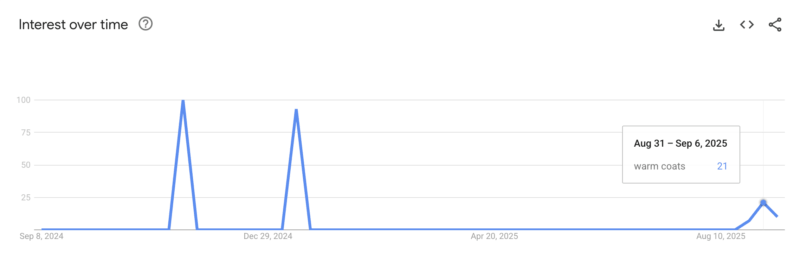
All’s to say, ‘it’s bleedin’ baltic now, lads’. So, today we’re looking at the best and more cost effective ways to stay warm for the seemingly harsh winter ahead. We’ll look at traditional heating methods as well as new products on the market and other outliers too. Of course, we’ll be showing off our own heaters and showing where they stand in the mix for your heating solutions. Last thing to say – all information was correct as of the time of writing; if there’s a sudden spike in electricity prices or if the products listed have a change in price, you’ll need to take that into account!
Now, let’s get started with the most popular heating method, Central Heating.
Central Heating
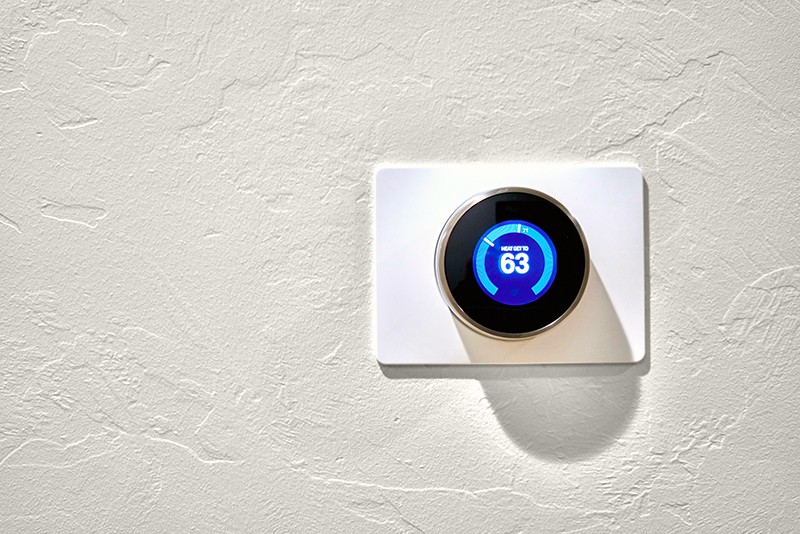
Right, we’re off to the races and we’re already at a fork in the road. Obviously, the term central heating covers a relatively broad range of products. They can be gas-based or electricity-based, to start with. The efficiency of these heaters varies wildly – a modern, fancy (and expensive) unit could be only half the cost of running than an older and inefficient boiler.
Regardless, ‘Central Heating’ is a term we all understand. The benefits and the drawbacks of a system like this are outlined below:
Pros of Central Heating
- Heats the whole house (can prevent damp-related issues)
- Generally included as standard in most modern homes
- Central, programmable thermostat
- Modern devices can have ‘zones’ to heat specific areas only
Cons of Central Heating
- Heats the whole house (might be overly expensive)
- High initial costs of installation
- Requires regular use, even during Summer months to ensure the system works thoroughly.
- Annual servicing required
Central heating is popular because it’s mostly hassle-free, most people budget specifically for it and it keeps the house in good stead. Overall, it’s a good option, provided that you have a modern system, you use every room in the house and don’t mind the extra cost of it.
Are they cheap up-front: No
Are they cheap long term: They can be
Recommended use: Heating a family home entirely
Electric Heaters
Electric Heaters are famously cheap up-front and devilishly expensive in the long run. If you’ve ever seen the Sitcom, Still Game, you’ll know this all too well; Their electric heaters were so expensive to run, that the retirees resorted to stealing heat. Electric Heaters are great for short-term heating to get you out of a pinch, but they’re probably too expensive to run long term. For example, Switcher.ie suggests that running an electric heater in 4 rooms for 8 hours a day would set you back €425 per month.
Pros of Electric Heaters
- 100% efficiency – no wasted energy
- Easy to use; requires no installation
- Quiet
- Produces no carbon monoxide
Cons of Electric Heaters
- Very expensive to run long term. One reddit user estimated that it would be over three-times more expensive than gas.
- Will only get more expensive as the price of electricity rises.
- Can be slower to heat a room
- May pose a fire risk; particularly the cheaper models which have no built in safety features.
- Generally unsafe around small children and pets
Electric Heaters are a false economy for long-term heating. You’ll save at the time of purchase, but the price you pay is dependent on the ever-increasing electricity prices. Sure, they’re great for getting you out of a pinch, but as a long-term heating solution, they’re far from ideal.
Are they cheap up-front: Yes
Are they cheap long term: Absolutely not
Recommended use: Emergency heating
Paraffin Wick Heaters
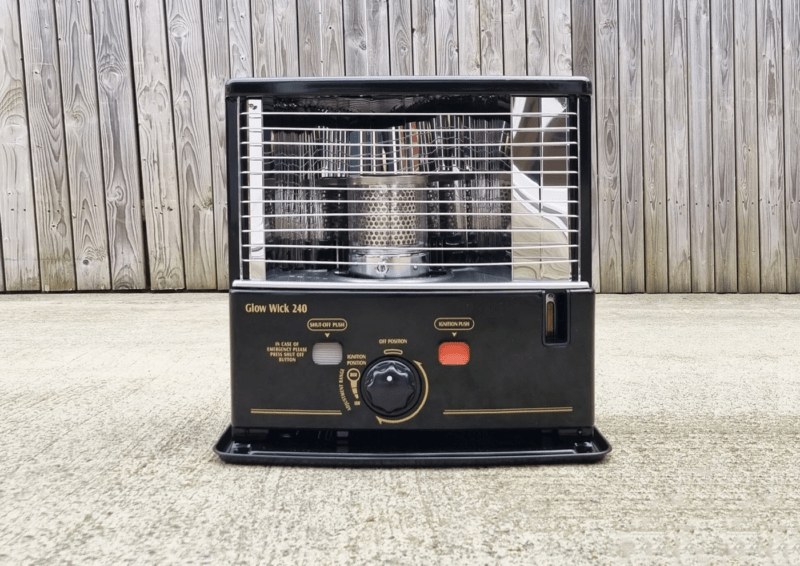
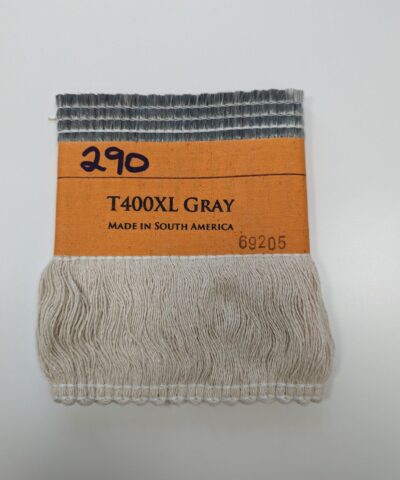
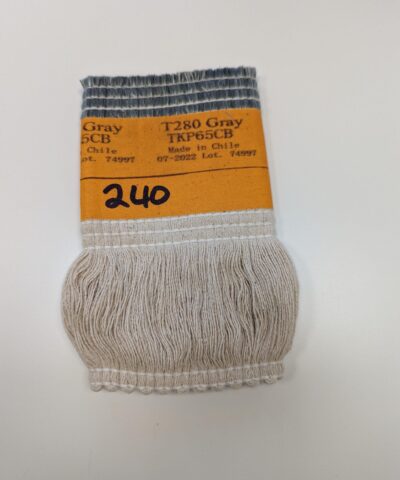
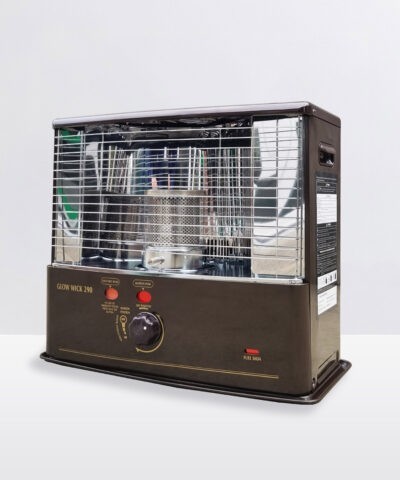
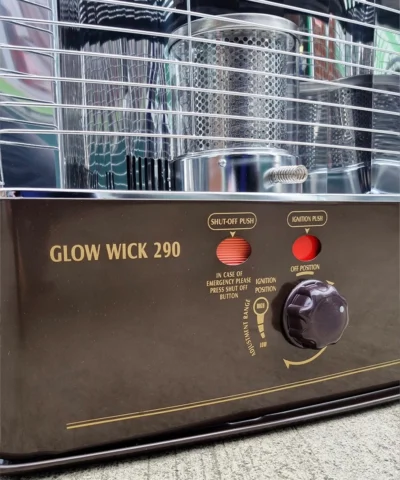
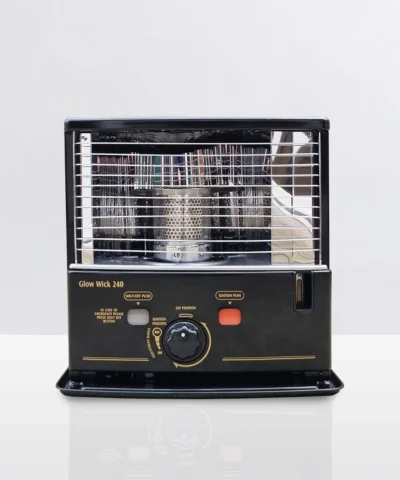
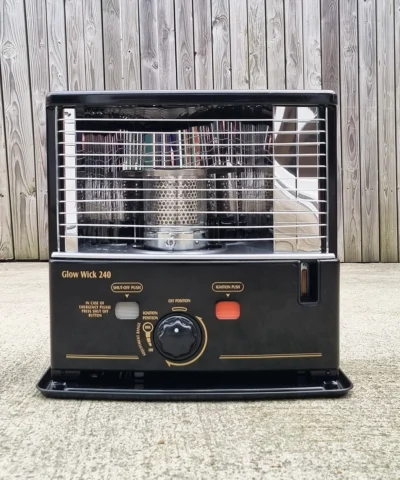
Wick Heaters are one type of heater that we sell here at Sheds Direct Ireland. These are a great mix of price and functionality. They’re simple to use, portable and they provide great heat. They require no external power, so they’re an exceptional choice when the power goes (which tends to be during the Winter). That said, they do carry an odour at start-up and turn off.
Pros of Paraffin Wick Heaters
- Inexpensive to purchase up front
- Inexpensive to run long term
- Fully portable
- Easy to use controls
- Perfect for power-cuts / places without power
Cons of Paraffin Heaters
- Runs only on C1-Grade Paraffin Fuel. You cannot substitute other liquid fuels.
- Carry a small odour on start up and shut-down
- Generally unsafe around small children and pets
Are they cheap up-front: Yes (Not as cheap as electric heaters, but considerably cheaper than central heating, etc)
Are they cheap long term: Yes
Recommended use: Heating a room or for use when the power cuts
Space Heaters
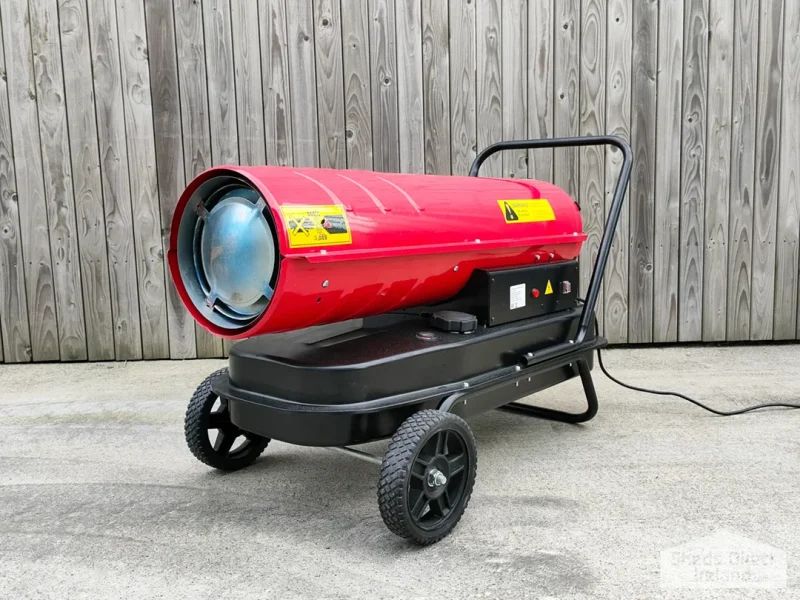
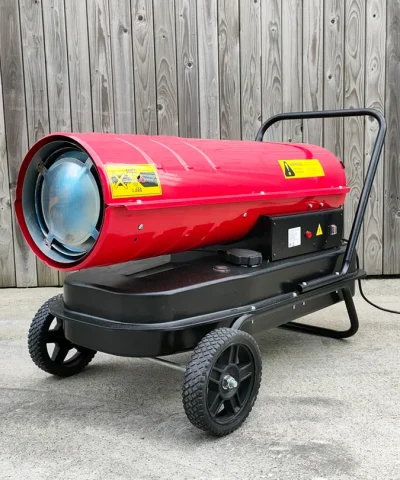
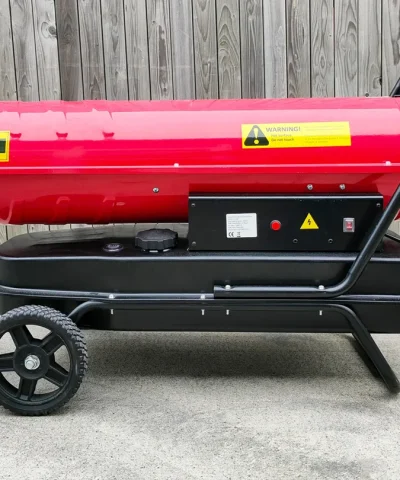
Space Heaters are another style of heater that we also stock in store. These have specific-case uses, so they’re not appropriate for situation. They are relatively cheap to buy and they don’t cost much to run (given their heat output), however, they couldn’t be used in the average house. They’re much noisier, fumier and they should not be used near pets or children; the front end of these heaters will literally glow red from the heat it generates.
That said, if you are working in a large draughty warehouse, or a semi-exposed building like a mechanics, they could be a godsend to you in the Winter.
Pros of Space Heaters
- Generally inexpensive to purchase and operate
- Impressively Powerful
- Runs on a range of liquid fuels including kerosene, paraffin, diesel etc., etc. (Just make sure not to mix them!)
Cons of Space Heaters
- Exceptionally noisy in smaller area
- Require mains power connection; you may need an extension cable to bring it to certain areas.
- Pose a safety issue if used near children, animals or the clumsy eejits in your life.
Are they cheap up-front: Yes
Are they cheap long term: Yes, but these are very situational
Recommended use: Heating a garage, warehouse, draughty workhouse etc
Fan Heaters
Okay, this is where the naming gets slightly confusing: There are ‘Fan Heaters’ which we’ll outline below, and ‘Fan-Assist Heaters’, like the Inverter. Fan Heaters are the plug-and-play ones that you’ll see in the likes of Tescos, Power City etc. They’re cheap up front, they circulate heat around the room using their built-in fan. They’re pretty safe to use, but they’re not that powerful and they can be quite expensive.
Pros of Fan Heaters
- Generally inexpensive up front
- Simply plug-in to use
- Readily available from many larger retailers
Cons of Fan Heaters
- Very expensive to run long-term
- Won’t heat larger areas
- Less efficient that other heaters
- Depending on the model, some can have a noisy fan
Are they cheap up-front: Yes
Are they cheap long term: No
Recommended use: Heating very small spaces for short periods of time.
Inverter Heaters / Fan-Assist Heaters
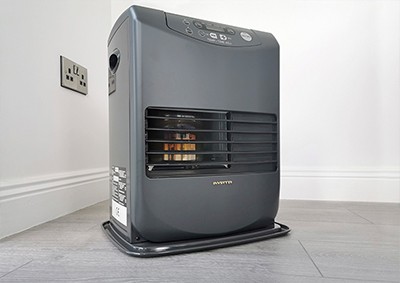
The Inverter-style heaters are the most popular style of heaters that we sell. They require a main-power connection to run, but they’re not an electric heater. They have a built-in fan, but they’re not a fan heater, either. Inverter heaters are a bit of everything mixed together. They work by burning fuel, like say, a Wick Heater does. They use a fan to blow this heat around the room, like a fan-heater. They’re programmable like Central Heating Systems and they’re small enough to be portable within the home.
Pros of Inverter Heaters
- ECO Mode allows you to control the temperature and keep it consistent; i.e. no over-heating a room
- Built in thermostat
- Programmable – the room will automatically heat up at your specified time
- Has lots of built-in safety features (CO Alarm, anti-topple feature, diagnostics, child-lock, auto turn off upon knock, etc)
- Uses less than 1c of electricity per hour to run.
Cons of Inverter Heaters
- Slightly more expensive than wick heaters up front
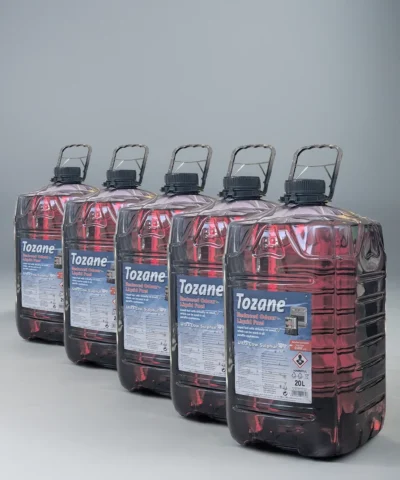
- Can only run on C1-Grade Paraffin, like Tozane.
- While this fuel is ‘virtually odourless’, some more sensitive people may not enjoy the odour that is evident at start-up and shut off.
- Requires mains-power connection at all times
- The built-in fan means that this heater may not be suitable for asthmatics
Are they cheap up-front: Yes
Are they cheap long term: Yes
Recommended use: Everyday heating of the home, business.
Oil Heaters
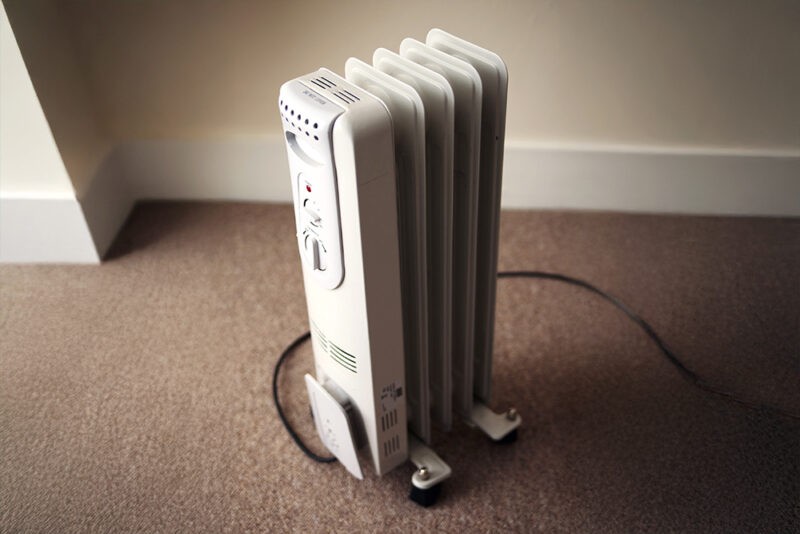
While we don’t stock oil heaters here at Sheds Direct Ireland, they’re widely available nationwide. They tend to occupy the lower end of the scale in terms of price and functionality. So, you won’t find many more expensive than €150, but they’ve also quite limited with regards to extra features. They’re another very simple to use heater, but they require electricity to heat the oil within, which can be costly in the long-run.
The main thing with Oil heaters is that they do take a while to heat up, though they do retain the heat quite well, so you’ll still get some warmth after they’ve been switched off. Now – you can’t trick the laws of thermodynamics, so you’re not getting more heat out of them – you’re just getting it later.
Pros of Oil Heaters
- Simple to use
- Once they’ve reached their temperature, they’ll radiate heat long after the heater is turned off
- Quiet operation
Cons of Oil Heaters
- Ineffective in larger spaces.
- Given that they are slow to heat up themselves (up to half-an-hour), they are slow to heat the room.
- Hot to touch, posing safety concerns for young families or families with pets.
- Awkward to move. The shape and weight of them, as well as the poor-quality wheels on most of the cheaper models, make these difficult to move around the home.
Are they cheap up-front: Yes
Are they cheap long term: Sort of; ideal for heating small rooms but not an ideal solution to heat larger spaces
Recommended use: Heating a small area like a bedroom before bedtime
Infrared Heaters

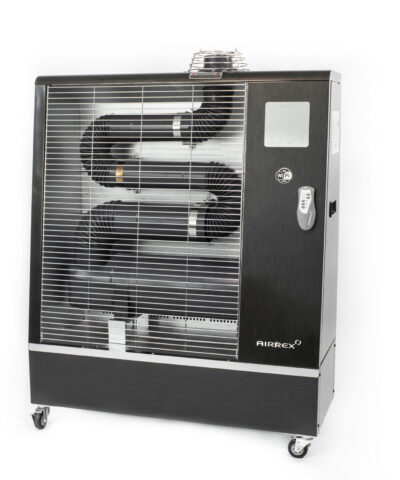
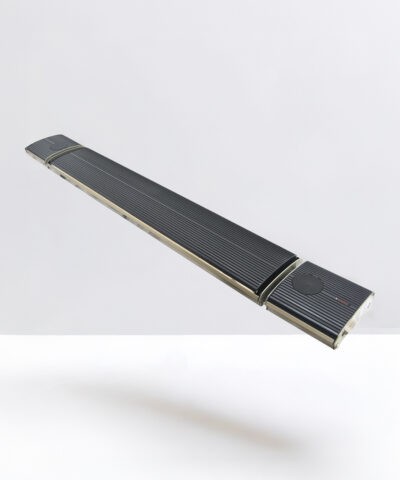
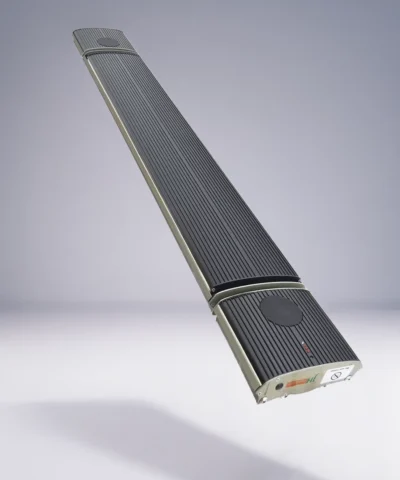
Infrared heaters are probably the outlier amongst all heaters here. The science of infrared heat is practically magic in my eyes, but the long-and-short of it is that infrared heaters heat the object whereas other heaters heat the air. So, if you plonk an infrared heater into a room, it’ll heat the bones of that room. This means that you don’t lose any heat when you open a door to the outside; Normally the warm air would rush out, but because you’ve not heated the air, you don’t lose half as much heat as the room itself is warmer.
Pros of Infrared Heaters
- 100% efficient
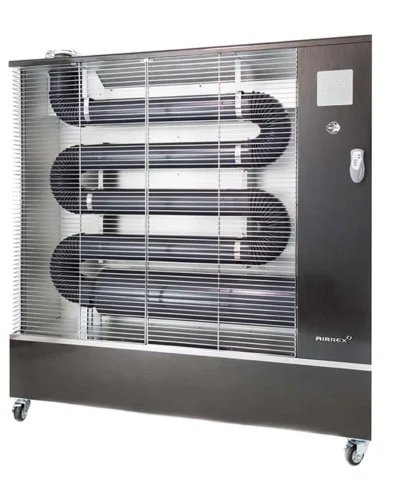
- Can run on cheaper fuels – the airrex can convert kerosene into heat and it doesn’t require any extra ventilation to do so.
- Instant heat generation
- Great for medium-large sized spaces
- No air circulation; i.e. they don’t move air and dust around as they heat, making them ideal for asthmatics and people with allergies
- Low maintenance
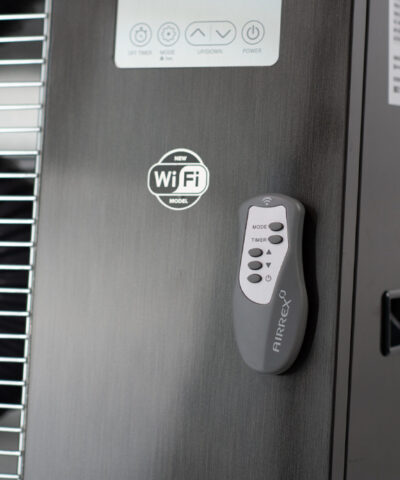
- Remote controllable (most models)
Cons of Infrared Heaters
- Areas of use should be insulated to get the best out of them
- Obstructions in the way can stop the heat spreading throughout the room
- Some models of infrared heaters run only on electricity, which can be expensive
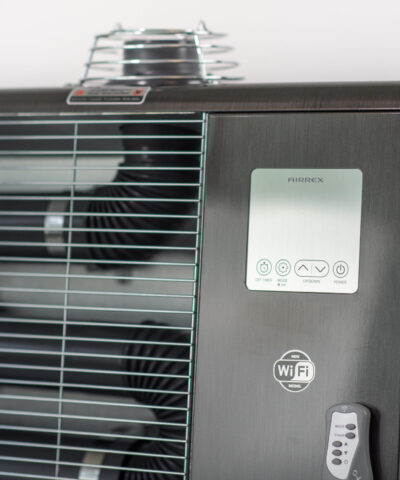
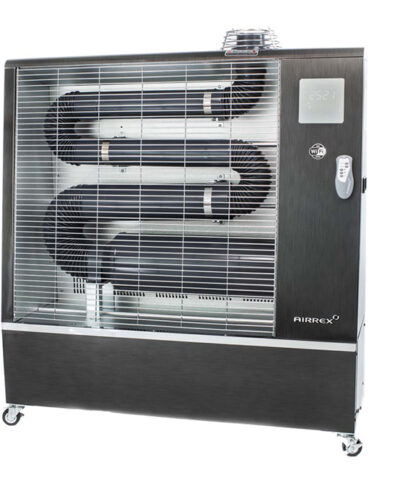
- Note: The airrex (pictured above) runs on liquid fuels, making them much cheaper to run.
Are they cheap up-front: It depends, as there is a range of options available. The ‘Ronan Heating’ is on the lower end, whereas the Airrex are considerably more expensive.
Are they cheap long term: Yes and no. Again, ones that run on electric solely can be expensive. The Airrex uses fuel to convert into infrared heat, which is considerably cheaper.
Recommended use: Heating areas that can become draughty or which struggle to retain heat. Places like churches, warehouses, showrooms etc., can benefit greatly from an infrared heater.
Ceramic Heaters
These heaters use electricity and they send the current to flow through a ceramic element, usually a ceramic plate. The current is resisted by the ceramic element, which creates heat. There’s usually an built-in fan in these heaters, which is used to circulate the heat.
Pros of Ceramic Heaters
- Available in a wide variety of sizes and styles, from portable mechanics heaters to plug-sized heaters
- Simple to use
- Instant Heat is generated
- Quiet operation
Cons of Ceramic Heaters
- Not made to be used in larger spaces
- Again, runs on electricity so that can be more expensive long-term
- Can be a problem for asthmatics and those with respiratory issues
Are they cheap up-front: Mostly, yes – but they’re generally more expensive than similar electric heaters.
Are they cheap long term: If used in small spaces, yes.
Recommended use: Heating small spaces for short periods of time; I know someone who turns one on in the office canteen when he’s doing the washing up.

Halogen Heaters
Halogen heaters are commonly referred to as ‘Bar Heaters’ in Ireland. These were a popular choice in the 1990s and have seen a revival in recent years. Halogen heaters use electricity but rather than coils, the halogen lamps are heated which deliver the heat.
Pros of Halogen Heaters
- They do not product carbon monoxide
- Provide instant heat
- Lightweight and easily moved
- Readily available in shops across Ireland
Cons of Halogen Heaters
- Designed for small areas; they are essentially useless in larger settings.
- Not safe to use around pets or children
- Produce a bright light
Are they cheap up-front: Yes
Are they cheap long term: Sort of. Halogen heaters are not designed for long-time usage, so using them as intended (for short bursts) they can be cheap. Using them all the time can be about as costly as an electric heater, however.
Recommended use: Taking the ‘sting’ out of the air. If you’re the first person in an office, this can help you out until the heating in the building kicks in.
Summary

Look, you can’t change the laws of thermodynamics; heat can’t be created from nothing. Still, there are more efficient and cost-effective ways to create heat. Generally speaking, burning fuels is cheaper than using electricity to generate heat. Larger, more expensive units typically have cheaper long term operating costs. Smaller and cheaper units are great for getting you out of a pinch, but they might bite you in the bum (financially) in the long run.
The best heater is the one that is most suitable to your space. Our range of heaters has something for everyone, in this respect. If you need to heat a small area or need portability, the Glow Wick 240 is an ideal choice – however, it won’t heat large areas. Need to heat a large, draughty area, the Airrex range is ideal. If you’re not sure what the right option is for you, give us a call and our team can talk you through your options.
Why not check out our heaters – or see the below for a selection of what’s on offer!
Heaters